Skip to content
Pole Barn AdvertisingPowered by Build or Beg SEO

Seasonal advertising

Your ads should change with the season.

Not switch on and off with your panic level. Pole barn buyers plan months ahead, so the smartest builders are always advertising for the next season, not the current one.

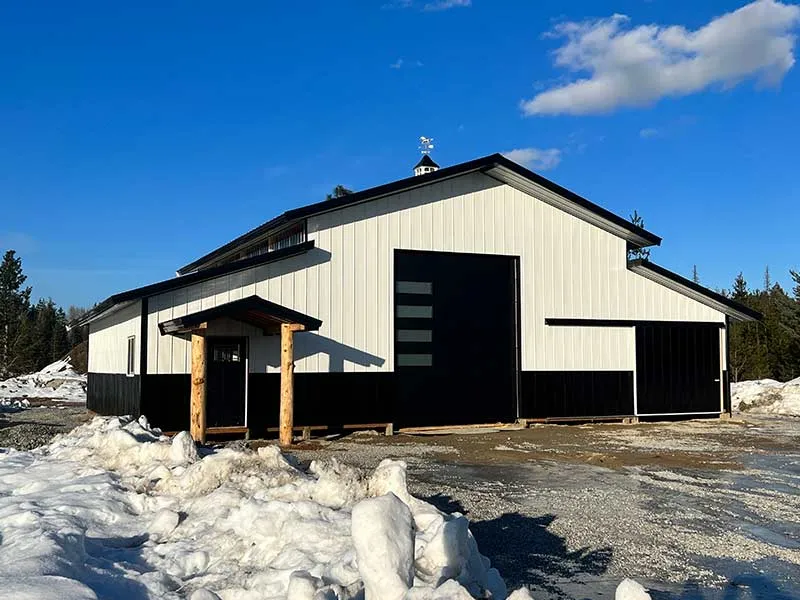
White pole barn with black trim and a cupola after a snowfall

Why waiting doesn’t work

The lead you get today is the job you build next season.

That delay is why the “turn ads on when it’s slow” approach always runs behind. By the time you feel the gap, the buyers who would have filled it already picked a builder.

  1. Ad seen

    They notice your building

  2. Lead

    They ask you a question

  3. Quote & decision

    Weeks or months of planning

  4. Build

    Your crews are working

Waiting until the schedule is empty isn’t a strategy. It’s how one slow month turns into three.

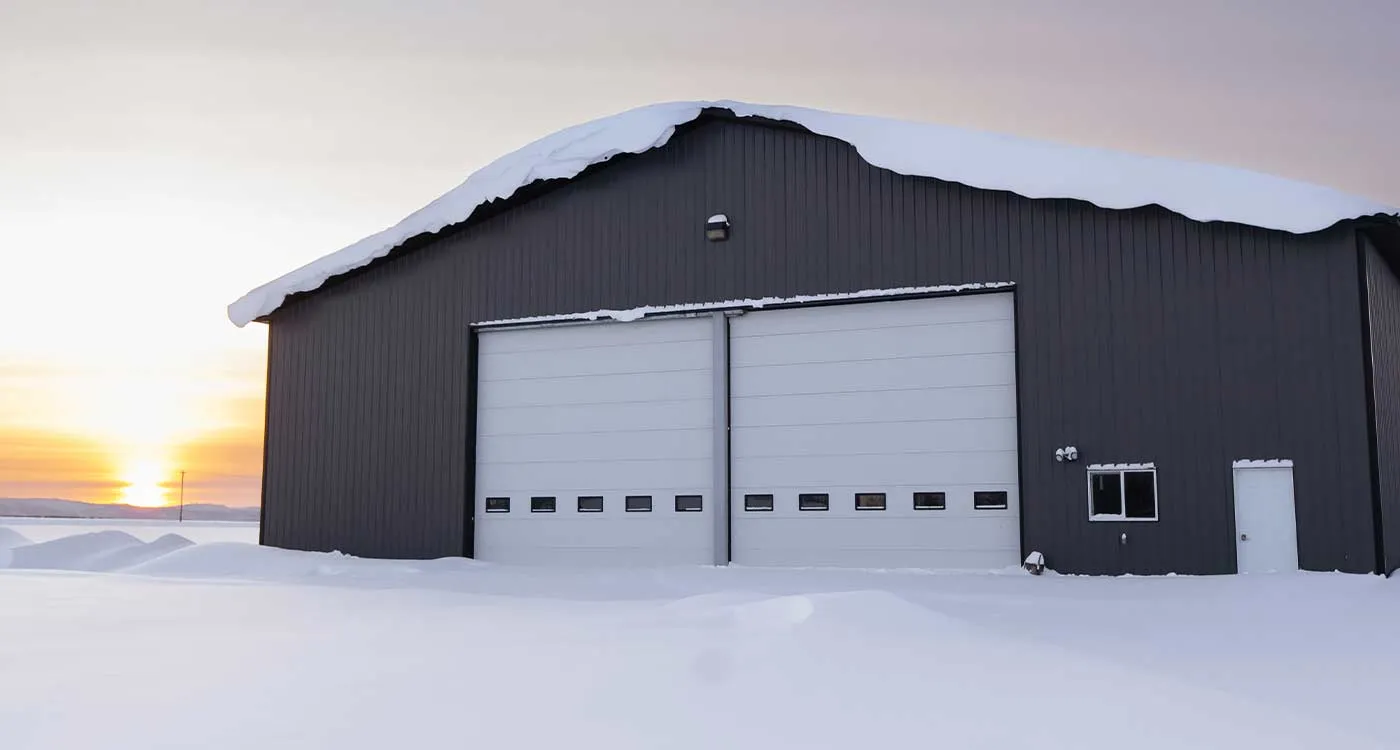
Dark pole barn with two overhead doors in deep snow at sunrise
What I’d run right now

Late fall & winter advertising

Spring jobs get sold in winter.

Right now your buyers are sitting at the kitchen table planning next year’s barn. They’re pricing sizes, talking to the bank and deciding who they trust. If your ads go dark until the ground thaws, somebody else is having those conversations.

  • Book-now-for-spring messaging: lock in a build slot, get on the schedule before it fills.
  • Design and pricing conversations: “Tell me what you want to build and I’ll walk you through it.”
  • Winter photos of buildings standing up to snow load. Buyers in cold country notice.
  • Retargeting for everyone who looked in the fall and didn’t call yet.

The common mistake: Shutting everything off in December, then scrambling in March when every other builder turns their ads back on at the same time.

Winter specifics: how to get more pole barn leads in the winter

The year at a glance

What I’d run, season by season.

Late fall & winter

Now

Spring jobs get sold in winter.

Buyers: Planning, comparing and saving. Lots of research, more time to talk, less urgency to sign today.

  • Book-now-for-spring messaging: lock in a build slot, get on the schedule before it fills.
  • Design and pricing conversations: “Tell me what you want to build and I’ll walk you through it.”
  • Winter photos of buildings standing up to snow load. Buyers in cold country notice.
  • Retargeting for everyone who looked in the fall and didn’t call yet.

Avoid: Shutting everything off in December, then scrambling in March when every other builder turns their ads back on at the same time.

Spring

The busy season is here. Keep the next one coming.

Buyers: Ready to move. Shorter decision times, more comparisons on price and timing.

  • Your strongest building types and the ones with the best margin.
  • Clear timelines: “Now scheduling builds for…” (only if it’s true).
  • Fresh project photos from winter and early spring builds.
  • Qualifying questions on every form so you can sort the serious buyers fast.

Avoid: Turning ads off because you’re busy, then starting from zero when the schedule thins out.

Summer

Fill the fall schedule before you need it.

Buyers: Farm and ag buyers thinking about storage before harvest. Homeowners wanting it up before winter.

  • Before-winter deadlines: equipment storage, hay barns, garages and shops.
  • Ag and equestrian buildings ahead of harvest and cold weather.
  • Reviews and photos from this year’s finished buildings.

Avoid: Letting the busy season eat all your attention, then finding out in September that nothing is lined up.

Fall

Close the year strong and start building next year’s list.

Buyers: Some urgent before-winter buyers, plus planners who are a season or two out.

  • Before-the-snow messaging for buyers who are ready now.
  • Plan-for-spring messaging and a reason to talk now: design, pricing, site prep.
  • Retargeting lists that you’ll keep working all winter.

Avoid: Treating fall as the end of the year instead of the start of next year’s list.

Budget pacing

Adjust the budget. Don’t zero it out.

Your budget can move with your schedule. Spend more when you need to fill a gap two or three months out. Spend a little less when you’re booked far ahead. But keep it running, because every restart costs you: ads relearn, audiences go cold, and you start from scratch against everyone else.

Busy right now? Should you keep advertising when your crews are busy?

A simple rule of thumb
Your scheduleWhat to do
Gap coming in 2–3 monthsSpend more, push buildings that fit the gap
Booked solid 3–6 monthsHold steady, “now scheduling” message
Booked out 6+ monthsTrim, focus on best-margin jobs, nurture planners
Can’t follow up on leadsPause briefly, fix follow-up, restart

Questions

Seasonal advertising, answered.

When is the best time to advertise a pole barn business?

All year, with the message changing by season. Buyers plan months ahead, so the jobs that fill your spring are decided in late fall and winter, and the jobs that fill your fall are decided in summer.

Should I stop advertising in winter?

Rarely. Winter is when many buyers plan next year’s building and choose a builder. Change the message to planning and booking for spring rather than shutting off.

How far ahead should I plan my advertising?

Think one to two seasons ahead. If your schedule is full for the next three months, your ads should be filling the three months after that.

No pressure. Just a conversation.

Let’s plan your next season now.

Tell me how far out you’re booked and where you want to be. I’ll tell you what I’d run, starting this month.